
Environmental hazards do not affect all communities equally. Marginalized and low-income areas often face higher exposure to pollution, unsafe water, and natural disasters. Accurate monitoring is essential for protecting public health, and physics-based sensors are making this monitoring more accessible than ever before.
Different types of sensors rely on different physical principles. Chemical sensors detect gases or pollutants through reactions or absorption processes. Optical sensors measure how light interacts with materials, using effects such as fluorescence or absorption to detect contaminants. Piezoelectric sensors convert mechanical stress into electrical signals, making them useful for detecting vibrations, pressure, or seismic activity.
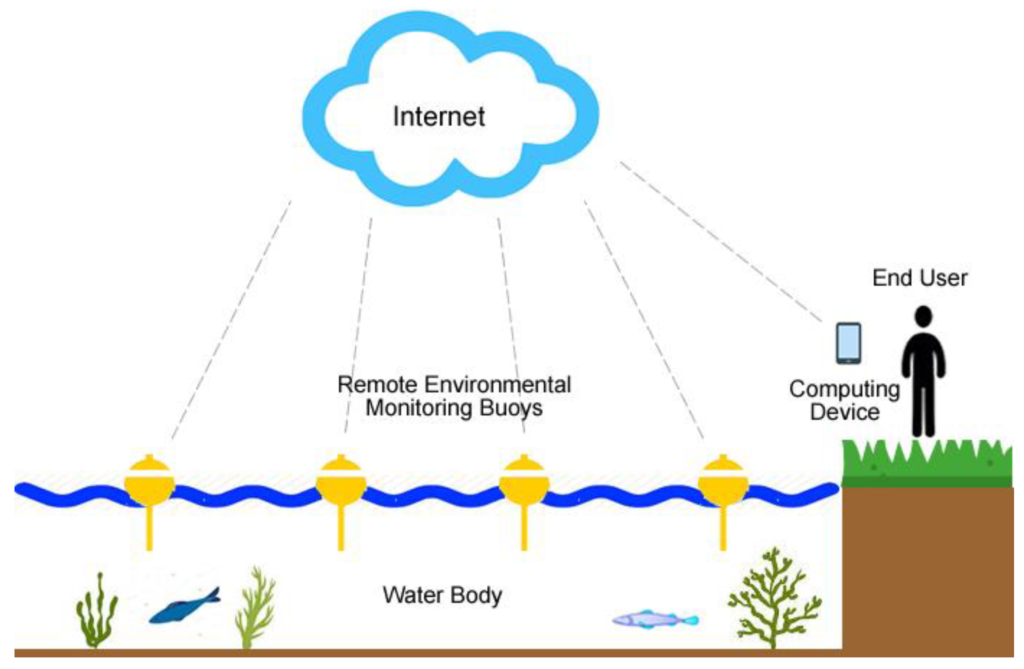
Advances in technology have made these sensors smaller, cheaper, and more efficient. Miniaturization allows sensors to be integrated into portable devices, while low-cost fabrication techniques make them affordable for widespread use. When connected through the Internet of Things, these sensors can transmit real-time data to centralized systems or even directly to users’ smartphones.
In practice, physics-based sensors are used in many important applications. Air quality sensors can detect harmful pollutants in urban neighborhoods. Water quality sensors can monitor contamination in drinking water supplies. Early warning systems equipped with sensors can detect earthquakes, floods, or wildfires, giving communities more time to respond.
Perhaps most importantly, these technologies empower communities with data. When residents have access to accurate environmental information, they can advocate for safer conditions and better policies. Data-driven decision-making becomes possible at both the community and governmental levels.
Physics-based sensors demonstrate how scientific principles can be translated into tools that directly improve people’s lives. By making environmental monitoring more accessible, engineers and scientists are helping create healthier, more informed communities.
Physics-Based Sensors for Environmental Monitoring in At-Risk Communitie
- Environmental hazards faced by marginalized groups
- Need for accurate, affordable monitoring
Sensor Physics Explained
- Types of sensors: chemical, optical, electromagnetic
- Principles like absorption, fluorescence, piezoelectricity
Technological Advances
- Miniaturization and IoT integration
- Low-cost fabrication methods
Real-World Applications
- Air and water quality monitoring
- Early warning systems for natural disasters
Community Impact
- Empowering citizens with data
- Informing public health policies